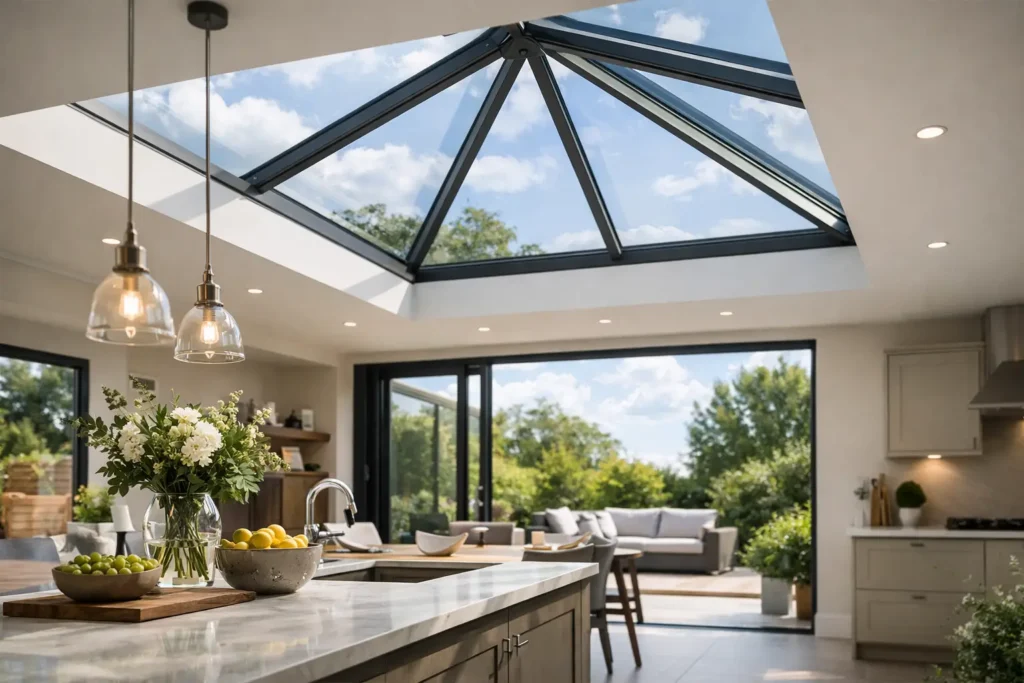
A kitchen extension can look generous on paper and still feel flat once it is built. The difference is often overhead light. The best roof lantern ideas for kitchen extension projects do more than brighten the room – they shape how the space feels, how colours read, and where your eye is drawn from breakfast bar to garden.
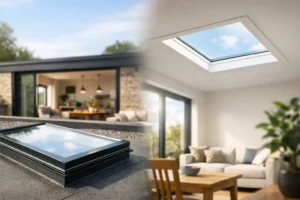
A roof lantern works particularly well on flat roof extensions because it introduces daylight from above, where neighbouring walls, fences and rear elevations cannot block it in the same way as standard windows or doors. For many homeowners, that means a kitchen that feels taller, cleaner and more connected to the outside, even on overcast UK days.
Why roof lanterns suit kitchen extensions so well
Kitchen extensions are often built to create an open-plan room with cooking, dining and seating in one space. That layout needs balanced light. If all the glazing is pushed to the rear wall, the back of the room can look impressive while the middle still feels shaded. A roof lantern helps spread natural light into the centre of the extension, which is usually where islands, dining tables and circulation routes sit.
There is also a practical design benefit. Vertical glazing and bifold or sliding doors are essential for views and garden access, but overhead glazing adds another layer of brightness without sacrificing wall space for cabinets, tall units or appliances. It gives you more freedom with the kitchen layout.
1. Centre the lantern over the main living zone
One of the most effective roof lantern ideas for kitchen extension design is also one of the simplest. Position the lantern over the part of the room where people actually spend time, not automatically in the middle of the roof.
In many extensions, that means centring it over the kitchen island or the dining area rather than the full footprint. This creates a clear focal point and makes the room feel intentionally planned. If your extension combines kitchen, dining and lounge functions, placing the lantern over the social heart of the room can visually zone the space without adding walls.
2. Choose proportions that suit the roof, not just the wish list
Bigger is not always better. A very large lantern can flood the room with light, but it can also dominate the roofline, reduce the available insulated roof area and create too much solar gain in summer if the specification is wrong.
The best approach is to size the lantern in proportion to the extension. A compact lantern can still have a strong effect if it is well placed and uses slim aluminium framing. In a modest rear extension, an oversized unit may feel top-heavy from outside and too stark from inside. In a larger open-plan extension, a wider lantern may be the right choice to avoid the centre of the room feeling underlit. It depends on the orientation of the house, the ceiling height and how much glazing is already planned in the walls.
3. Use slim aluminium frames for a cleaner look
Frame sightlines make a bigger difference than many homeowners expect. Thick frames can break up the glass and make the lantern look bulky, particularly from inside when you are standing beneath it every day.
Slim aluminium roof lanterns suit contemporary kitchen extensions because they keep the emphasis on the glass and daylight. Aluminium is also a strong material for larger spans, and with a thermal break and energy-efficient glazing it offers the thermal performance expected in a modern extension. That balance of strength, neat sightlines and efficiency is a major reason aluminium remains a popular choice for domestic glazing.
4. Match the lantern colour to the rest of the glazing
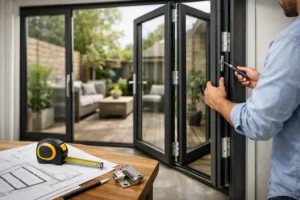
A roof lantern should feel like part of the whole extension, not an add-on. Matching the frame colour to your bifold doors, sliding doors or windows helps tie the design together.
Anthracite grey remains a strong choice for modern homes because it pairs well with brick, render and contemporary kitchen finishes. Black can create more contrast and a sharper architectural look. White often suits lighter interiors or more traditional properties. If you are adding products such as Smarts Visofold 1000 Bifold Doors or a Smarts Visoglide Plus sliding door, keeping the finishes coordinated gives the extension a more considered appearance.
5. Think carefully about glazing performance
Natural light is the headline benefit, but the glass specification matters just as much as the shape. A kitchen extension needs a roof lantern that helps manage heat loss in winter and limits overheating when the sun is strong.
That usually means looking at double or triple glazing options, solar control coatings where appropriate, and overall thermal performance rather than treating all roof glazing as equal. South-facing extensions may benefit from stronger solar control. North-facing spaces may prioritise maximising available daylight. Kitchens that are used heavily for cooking may also need ventilation considered alongside glazing performance.
This is where expert guidance is valuable, because the right specification depends on orientation, room size and the rest of the glazing package. A lantern that looks excellent but creates glare over the island every afternoon is not a good design result.
6. Pair the lantern with large rear doors
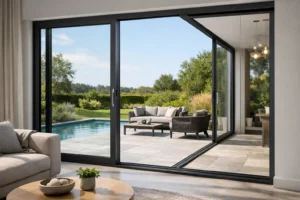
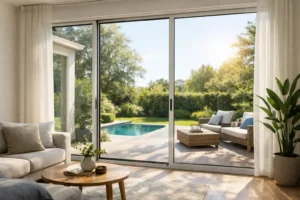
Some of the most successful kitchen extensions combine overhead glazing with wide garden-facing doors. The result is layered light from above and straight ahead, which makes the room feel more open throughout the day.
If you want uninterrupted views, a sliding system such as a Schuco ASE80 Sliding Door or Cortizo COR Vision Plus Sliding Door can work particularly well. If opening width is the priority for summer entertaining, bifolds can create a broad opening onto the patio. In both cases, the roof lantern helps pull daylight deeper into the plan, so the room feels bright even away from the rear elevation.
7. Use the lantern to make a low ceiling feel taller
Many flat roof extensions can feel slightly compressed if the ceiling height is modest. A roof lantern changes that perception by drawing the eye upward and introducing depth into the ceiling plane.
Even where the structural upstand is relatively subtle, the raised form of the lantern creates a sense of extra height. This can be especially useful in side return extensions and wraparound kitchen projects where parts of the room may otherwise feel enclosed. The visual lift is one of the reasons homeowners often say the room feels bigger after the lantern is installed, even though the floor area is unchanged.
8. Consider ventilation from the start
Kitchens generate heat, moisture and odours, so ventilation should be part of the conversation early on. Some roof lantern designs can incorporate opening vents, which can be useful for releasing warm air that naturally rises.
This is not always necessary. If the extension already includes strong cross-ventilation through windows and doors, a fixed lantern may be the better option for simplicity and cost. But in a deep-plan kitchen or heavily glazed extension, added ventilation can improve day-to-day comfort. The key is to assess the whole room, not the lantern in isolation.
9. Make it work with your kitchen lighting scheme
A roof lantern changes how artificial lighting should be planned. Downlights cannot simply be set out as if the ceiling were flat and uninterrupted.
In practical terms, that means thinking about pendant lighting over islands, wall lighting in dining areas and perimeter downlights around the lantern opening. At night, a well-planned lighting scheme keeps the extension feeling warm and balanced rather than leaving a dark void overhead. During the design stage, it is worth considering how the lantern, ceiling layout and electrical plan will work together.
10. Respect the style of the property
Contemporary kitchen extensions often suit a clean, minimal roof lantern with slim bars and simple external lines. That said, not every home wants the same look. A period property may still benefit from a roof lantern, but the proportions, colour and detailing should sit comfortably with the existing house.
The best result usually comes from contrast with control. A modern extension can complement an older home very well, but it should still feel deliberate. Choosing a lantern that is too industrial, too oversized or too visually heavy can upset that balance.
Common mistakes to avoid
The most common mistake is choosing on appearance alone. Roof lanterns are highly visual products, so it is easy to focus on shape and frame colour while overlooking solar control, insulation, ventilation and structural requirements. Another issue is poor placement. If the lantern sits awkwardly in relation to the island, dining table or rear doors, the whole extension can feel slightly off.
It is also worth checking how the lantern integrates with Building Regulations and the wider glazing package. A kitchen extension performs best when the roof glazing, doors and windows are designed as one system rather than selected separately.
What usually gives the best result
For most homeowners, the strongest design is not the boldest one. It is a roof lantern that is proportionate, thermally efficient, well positioned and coordinated with the rest of the extension glazing. When those elements are right, the room feels bright and calm rather than overworked.
That is why expert product choice matters. A bespoke aluminium lantern, matched properly to your doors and windows, gives you far more control over daylight, appearance and performance than a one-size-fits-all approach. For homeowners planning a kitchen extension, that extra thought at specification stage often pays off every single day once the room is in use.
If you are weighing up ideas, start with how you want the kitchen to feel rather than simply how the roof should look. The right lantern should bring in light, support the layout and make the whole extension feel better to live in.