A patio door can look excellent in a brochure and still be wrong for the way you actually live. The best results come from planning the opening around your room layout, garden access, furniture, heating and day-to-day use. That is exactly where a patio door configuration guide helps – not just in choosing a door style, but in choosing a setup that works properly for your home.
If you are renovating a kitchen, extending a rear living space or replacing dated doors with a slimmer aluminium system, configuration matters as much as appearance. Panel numbers, opening direction, threshold detail and frame sightlines all affect how the finished space feels. Get those decisions right and you gain better light, easier movement and a cleaner connection to the garden.
What a patio door configuration guide should help you decide
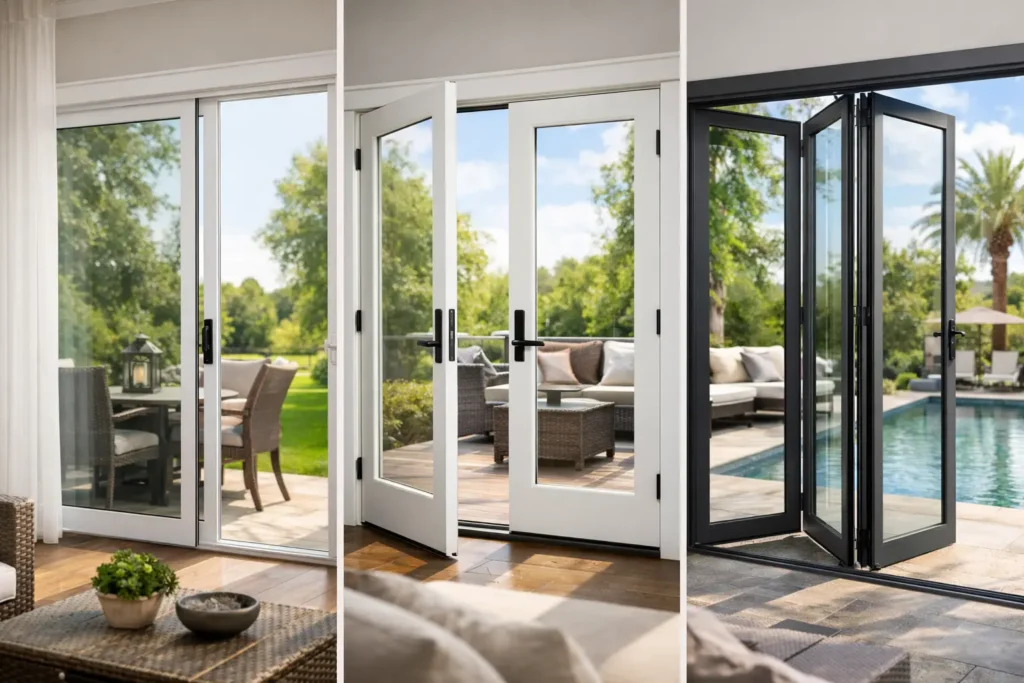
Most homeowners start with the obvious question: bifold or sliding? That matters, but it is only the start. A proper patio door configuration guide should also help you decide how many panels you need, where the main traffic door should sit, how wide the opening should be, whether you want the doors stacked to one side or split, and how low the threshold can be without compromising weather performance.
These choices are not purely technical. They shape how you use the room. A family kitchen with constant trips to the garden has different priorities from a formal sitting room where the doors are opened less often. If you entertain regularly, a wider clear opening may be worth prioritising. If you want uninterrupted views all year round, large sliding panels may make more sense than a fully folding system.
Start with how you want the room to work
Before comparing products, stand in the room and think about movement. Where will people naturally walk? Where is the dining table going? Will a sofa, island or radiator sit close to the opening? The right configuration should support the layout, not fight against it.
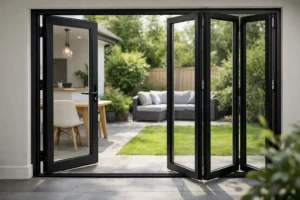
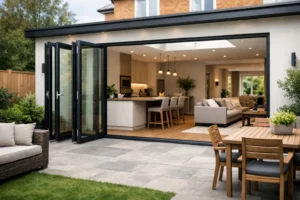
For example, bifold doors are excellent when you want to open up a large section of the wall in warmer months. Systems such as Smarts Visofold 1000 Bifold Doors or Origin OB49 Bifold Doors can create a wide opening and a strong indoor-outdoor feel. The trade-off is that the panels need somewhere to stack when open, so they take up space at one or both ends.
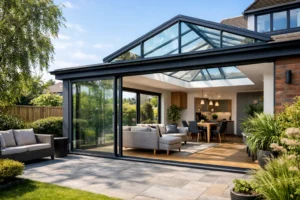
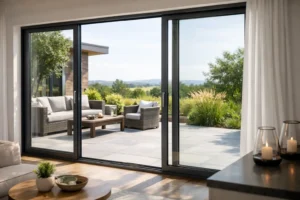
Sliding doors work differently. A system like the Smarts Visoglide Plus sliding door or Cortizo COR Vision Sliding Door keeps the panels within the frame line, which is useful where space is tighter and you want cleaner sightlines. You do not get the full aperture clear in the same way as a bifold, but you gain larger glass areas and less interruption to the room.
Choosing between bifold and sliding configurations
Bifold configurations suit homeowners who want flexibility. You can include a traffic door for everyday use, open one leaf for ventilation or fold the full set back for a more open feel. They are especially popular in kitchen extensions, garden rooms and family living areas where access matters as much as the view.
Sliding configurations are often the better fit where the priority is glazing. Fewer vertical frames mean a more minimal look and a stronger visual link to the outside, even when the doors are closed. If your garden view is a major selling point of the home, or your extension design leans towards a contemporary architectural finish, sliding doors often deliver that cleaner result.
There is no universal winner. It depends on whether you value maximum opening width or maximum glass area more.
Panel numbers and door widths
This is where many patio door choices become clearer. The overall structural opening will usually guide the practical options, but the way that width is divided affects the look and usability of the doors.
With bifolds, three-panel and four-panel arrangements are common for medium-sized openings, while five, six or more panels suit wider spans. Odd numbers can be useful when you want a lead traffic door positioned at one side. Even numbers often create a balanced look, particularly when the doors split and stack at both ends.
With sliding doors, two-panel systems are a straightforward choice for modest openings. Larger openings can take three or four panels, and that can transform the feel of a rear elevation. A Schuco ASE80 Sliding Door or Cortizo COR Vision Plus Sliding Door is often chosen where homeowners want broad glazed sections with slim frames and smooth operation.
Wider individual panels can look impressive, but there is a point where ease of use and proportion need checking carefully. Oversized leaves can increase weight and may affect how often the doors are opened in practice. Good configuration balances visual impact with everyday handling.
A patio door configuration guide to opening direction
Opening direction sounds minor until you live with the result. Doors should open in a way that keeps circulation natural and avoids awkward clashes with furniture, kitchen units or external walls.
For bifolds, consider whether the panels should stack internally or externally and whether they should gather to the left, right or split from the centre. Internal stacking can affect floor space. External stacking can preserve the room layout but needs enough outside clearance. The best option often depends on whether the property has a patio, raised step or limited garden space immediately outside.
For sliding doors, think about which panel should move and where the access point will sit most often. If one side leads directly to the main garden route, make that the easier everyday opening. This sounds obvious, but small practical decisions like this make a big difference over time.
Thresholds, flooring and accessibility
Threshold choice has a direct effect on comfort and appearance. Many homeowners want the lowest threshold possible for a flatter transition between inside and outside. This can work very well, especially in extensions where floor levels are being designed from scratch.
That said, it is always a balance. A fully weathered threshold generally offers stronger protection against wind-driven rain, while a lower threshold improves accessibility and the visual flow of the floor finish. If your doors are exposed to harsh weather, threshold design should be considered carefully rather than chosen on looks alone.
It is also worth planning internal and external floor heights early. A flush-looking finish is easier to achieve when the builder, door supplier and installer are working to the same levels before manufacture begins.
Frame style, sightlines and natural light
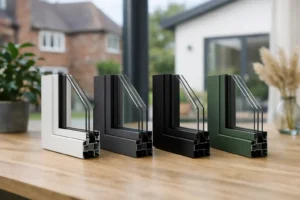
One reason aluminium patio doors remain such a strong choice is the slimness of the frame. Strong aluminium profiles with a thermal break allow for large glazed areas without the bulkier look associated with older systems. That means more natural light and a more refined finish, especially at the rear of the property.
If your goal is to brighten a kitchen diner or create a stronger garden view, pay close attention to the frame proportions of each system. Sliding doors generally offer the slimmest uninterrupted sightlines. Bifolds introduce more verticals because of the number of leaves, but they compensate by opening much wider.
This is often the real design decision: do you want to look through the doors, or do you want to move through a very large opening? Both are valid, but they are not the same thing.
Thermal efficiency and security should be part of the configuration
Configuration is not just about layout. It also affects performance. Larger glass areas, panel sizes and threshold details should all be considered alongside thermal efficiency and security.
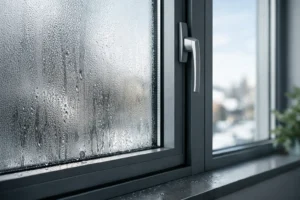
Modern aluminium systems with a thermal break and energy efficient glazing provide strong insulation levels, helping to keep the room comfortable throughout the year. Top-of-the-range locking systems, quality hardware and compliant installation also matter, particularly on wide openings at the rear of the home.
This is why bespoke specification is valuable. The right door is not simply made to size. It is configured around how the opening will perform in real conditions, from exposure and orientation to household use.
Custom details that change the final result
Once the main configuration is settled, the finishing choices bring everything together. Colour, handle finish, glazing type and opening accessories all shape the final look. Anthracite grey remains popular, but bolder colours and dual-colour options can work well where interior and exterior styles differ.
Glass specification also deserves thought. If privacy is limited, if the room faces strong sun, or if overheating is a concern in a south-facing extension, the glazing choice may need to do more than simply let in light.
For homeowners taking a supply-only route, precise measuring and clear technical guidance are especially important. For full installation, the advantage is having the complete opening checked and specified as one package, reducing the risk of awkward compromises on site.
Choosing a patio door should feel exciting, but it should also feel considered. The right setup is the one that fits the way your home is used now and still makes sense years from now. If you begin with layout, movement, sightlines and performance, the final design usually becomes much easier to choose.