
The most noticeable shift in home extension glazing trends is not simply that homeowners want more glass. It is that they want better-performing glass in smarter places. A large opening to the garden still matters, but so does avoiding an extension that feels too hot in July, too dark in winter or too exposed at night. The best glazing choices now balance style, comfort, security and day-to-day practicality.
For most UK homeowners, that means thinking beyond the old idea of a single set of patio doors at the back. Modern extensions are being designed as brighter, more connected living spaces, with glazing doing more than one job at once. It needs to bring in natural light, frame the garden properly, support thermal efficiency and suit the way the room will actually be used.
The home extension glazing trends shaping current projects
One clear trend is the move towards larger glazed areas with slimmer aluminium frames. Homeowners want cleaner sightlines and more glass, but they also want systems that feel solid, secure and built to last. Aluminium remains a strong choice here because it allows for relatively slim profiles without sacrificing strength.
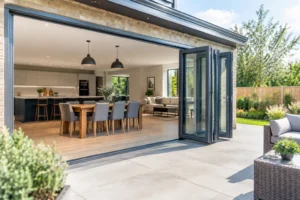
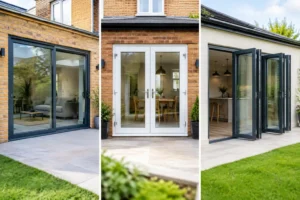
This is why bifold and sliding door systems continue to lead the market, but for different reasons. Bifold doors are still popular where opening width is the priority, especially for kitchen extensions that open fully onto a patio. Products such as Smarts Visofold 1000 Bifold Doors and Origin OB49 Bifold Doors suit this type of layout well because they create a broad, open threshold between inside and outside.
Sliding doors, however, are becoming increasingly popular in contemporary rear extensions where uninterrupted views matter more than a full opening. A system such as the Smarts Visoglide Plus sliding door or Cortizo COR Vision Sliding Door can deliver wider panes and fewer vertical sightlines. If the garden view is a major feature, sliding doors often make more sense than bifolds.
That said, it depends on how you use the space. If you entertain frequently and want the room to spill straight onto the garden, bifolds may still be the better fit. If furniture placement, heat retention and clean visual lines are more important, sliding doors are often the stronger option.
Roof glazing is now part of the main design, not an afterthought
Another of the biggest home extension glazing trends is the way roof glazing has moved to the centre of the design conversation. In older extensions, the focus was often on the rear doors alone. Now, homeowners are thinking more carefully about how light travels through the whole room.
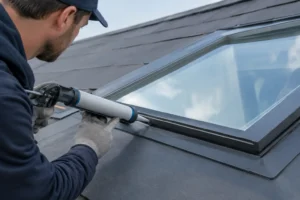
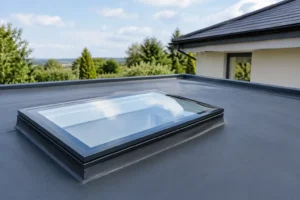
Flat roof lights and roof lanterns are especially effective in single-storey rear extensions, where side windows may be limited and the deepest part of the room can otherwise feel flat or shaded. Adding overhead glazing can make a kitchen-diner feel more balanced, particularly in north-facing properties or mid-terrace homes where light from the rear elevation is not always enough on its own.
The right choice depends on the look you want. Flat roof glazing tends to suit more minimal, contemporary extensions with crisp lines and a lower-profile finish. Roof lanterns can work beautifully where you want more architectural presence and a stronger focal point over a dining or seating area. In both cases, performance matters just as much as appearance. Good-quality glazing with strong thermal values helps maintain comfort through the seasons, rather than turning the extension into a space that only feels pleasant for part of the year.
Frame colour and finish are becoming more deliberate
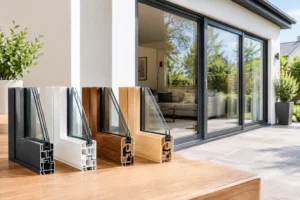
Homeowners are also becoming more confident about frame choices. Anthracite grey remains a favourite because it works well with brick, render and modern kitchen finishes, but there is growing interest in black, white and more tailored colour selections that respond to the character of the property.
This matters because glazing no longer sits in isolation. It is part of a wider design scheme that may include cabinetry, flooring, roofline details and garden landscaping. The best result usually comes from choosing a frame finish that complements the architecture rather than following a trend blindly.
For period homes being extended, a sharp contemporary aluminium frame can still work very well, but the proportions need to be right. In these settings, slim-framed glazing often gives a cleaner contrast than chunkier alternatives. In newer homes, matching window and door finishes across the extension can help the whole project feel more resolved.
Performance is driving decisions as much as appearance
A few years ago, homeowners often led with aesthetics and treated thermal performance as a technical detail to check later. That has changed. Rising energy costs and tighter expectations around comfort mean people are asking better questions about glazing from the start.
This is a positive shift, because large glazed areas need to perform well to justify their place in an extension. Aluminium systems with a thermal break and energy-efficient glazing can deliver the contemporary look many homeowners want while still supporting good thermal efficiency. That applies to doors, roof glazing and windows alike.
It is also why bespoke specification matters. The right glass type, configuration and frame system depend on orientation, room use and the amount of solar gain the extension is likely to receive. A south-facing extension with expansive glazing may need a different approach from one that faces east or is shaded by neighbouring buildings. Bigger glass is not always better if it creates glare or overheating.
Windows are being used more strategically in extensions
Doors usually get the attention, but windows are playing a bigger role in extension design than many homeowners expect. Fixed panes, corner glazing and carefully placed side windows can all improve how a room feels without compromising wall space completely.
For example, if your kitchen extension needs room for cabinets or appliances, a full wall of glazing may not be realistic. In that case, combining sliding or bifold doors with a well-positioned window can achieve a brighter result without forcing the layout. Systems such as Smarts Alitherm 400 Windows or Cortizo Hidden Sash Windows can work particularly well where a clean, modern finish is the goal.
There is also more interest in matching sightlines across doors and windows so the extension feels cohesive. This is one of those details that people may not notice immediately, but they do feel the difference. When glazing elements relate well to one another, the whole space looks more considered.
Low thresholds and cleaner transitions are in demand
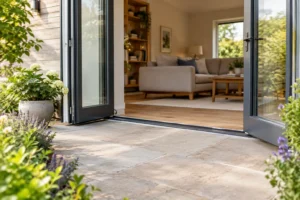
A strong trend in modern extensions is making the route to the garden feel easier and less interrupted. Homeowners want flush or low-threshold details where possible, both for visual flow and for accessibility. This is especially relevant in family homes, open-plan kitchens and properties where the extension is intended to be a long-term investment.
The practical point here is that threshold design should be discussed early. There is often a balance between weather performance, floor build-up and the level finish you want inside and out. With the right system and planning, it is possible to create a transition that looks clean while still performing properly in a British climate.
Security remains a non-negotiable part of the specification
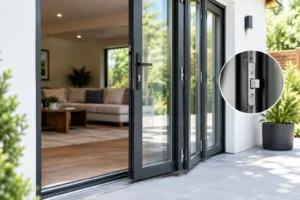
As glazed openings become larger, homeowners naturally want reassurance that security is not being compromised. The good news is that modern aluminium systems are designed with this firmly in mind. Multi-point locking, high-security hardware and strong frame construction are now standard expectations rather than optional extras.
This matters because a rear extension is often the main access point to the garden and one of the most used parts of the home. Good glazing should make the space feel open and welcoming without leaving you second-guessing its strength. Contemporary design and dependable security should go together.
What these trends mean for your own extension
The most successful projects do not copy a trend wholesale. They use current ideas in a way that suits the property, the budget and the way the household lives. A set of slim sliding doors, overhead roof glazing and matching aluminium windows may be ideal for one rear extension, while another may work better with bifolds, a more modest roof light and greater privacy from side glazing.
The key is to think about glazing as part of the whole extension, not just a finishing touch. Consider how the room faces, where the furniture will go, how often the doors will be opened, what level of privacy you need and how important uninterrupted views are compared with maximum opening width.
That is where experienced advice makes a real difference. A well-specified glazing package should not only look right on day one. It should continue to feel comfortable, secure and easy to live with for years to come.
If you are planning an extension, the smartest approach is usually the simplest one – choose glazing that gives you more light, better performance and a layout that genuinely improves how your home works every day.