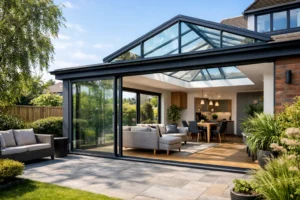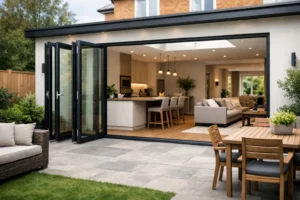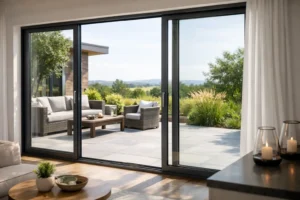
A new set of bifolds can transform a kitchen extension or garden-facing living room, but the product is only part of the decision. When comparing supply only vs fitted bifolds, the right option depends on who is taking responsibility for measuring, preparing the opening, installation and Building Regulations compliance – not simply which quote looks lower.
For some homeowners, supply only offers welcome control and a saving where a trusted builder is already on site. For others, professional fitting provides the certainty that bespoke aluminium doors will operate, seal and look exactly as intended. Here is how to choose with confidence.
What does supply only mean for bifold doors?
A supply-only order means the bifold doors are manufactured to your agreed specification and delivered to your property, ready for installation by you, your builder or an independent fitter. You can still choose the configuration, opening direction, frame colour, glazing, handles, threshold and panel sizes. The difference is that installation is not included in the order.
This route is particularly popular on larger renovation projects where a main contractor is managing the programme. If the opening is being formed as part of an extension, your builder may already be arranging structural steelwork, insulation, plastering and external finishes. Adding door installation to that scope can feel straightforward.
Supply only does, however, place more responsibility with the buyer and installer. Aluminium bifolds are made to measure. Once the manufacturing dimensions and specification have been approved, changes can be costly or impossible. Accurate site measurements, a sound supporting structure and correct fitting tolerances are essential.
What does fitted bifolds include?
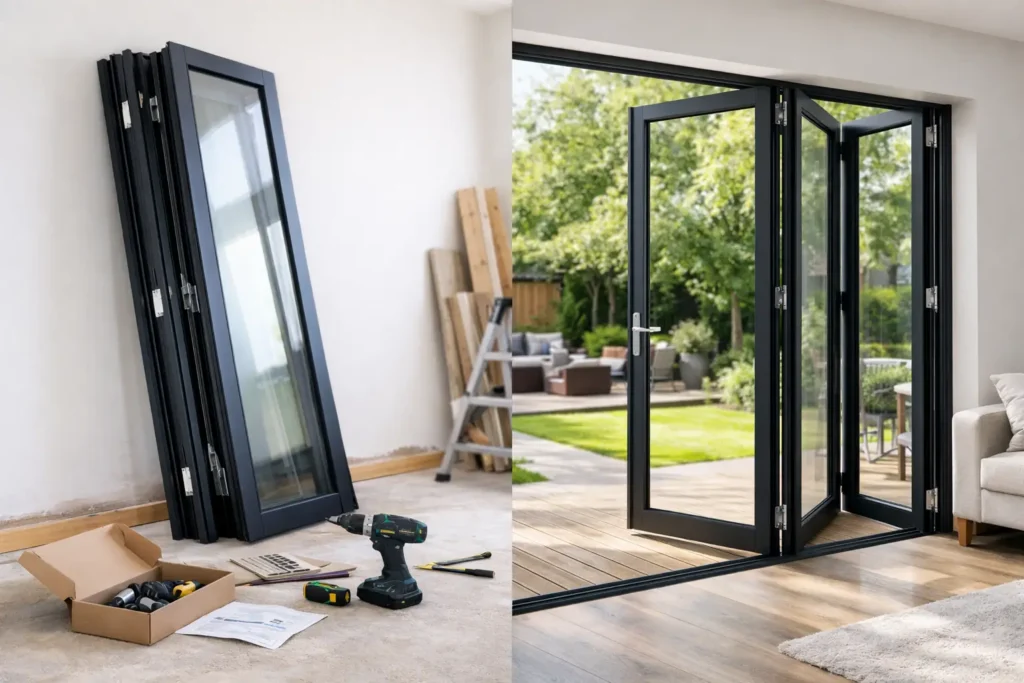
Fitted bifolds combine the bespoke door supply with professional installation. An experienced installation team will assess the opening, confirm practical details before manufacture, install the frame and sashes, glaze the doors, adjust the hardware and leave the system operating correctly.
For most homeowners, this is the simpler route. It provides one clear point of responsibility for the door package, rather than having a manufacturer, builder and separate fitter each involved in a problem if something is not right. It also helps protect the refined appearance that makes aluminium systems so desirable: clean sightlines, even panel gaps, smooth folding action and a weather-tight perimeter seal.
A full installation service is especially valuable when replacing existing doors, altering an opening, adding a new extension or specifying wide, multi-panel arrangements. Products such as Smarts Visofold 1000 Bifold Doors can create an impressive opening, but larger systems demand careful handling, level thresholds and precise adjustment to perform at their best.
Supply only vs fitted bifolds: the real cost difference
Supply only is often less expensive at the point of purchase because labour, travel, installation materials and project management are excluded. That does not automatically make it the lower-cost option overall.
Your installer may need to charge separately for surveying, fitting, glazing, silicone sealing, trims, access equipment and return visits. There can also be additional costs if the opening is out of square, the finished floor level has changed, a steel needs packing, or the doors arrive before the site is ready. These are common issues on live building projects, not signs that anyone has done something wrong.
With fitted bifolds, the upfront figure is usually higher, but it is easier to understand what is included. This can make budgeting more reliable, particularly for homeowners who do not want to coordinate several trades. Ask for a clear written scope either way. It should state whether surveying, delivery, installation, glazing, making good, waste removal and certification are included.
The sensible choice is not always the cheapest quote. It is the route that gives you appropriate control over risk and a realistic final project cost.
Measuring: where supply-only projects need the most care
The manufacturing size of a bifold is not the same as the size of the structural opening. Space is needed around the outer frame for fitting, packing, insulation and perimeter sealing. The required tolerance can vary according to the system, threshold arrangement and condition of the opening.
A reliable measurement starts with more than width and height. Your installer needs to check whether the opening is plumb, level and square, where the internal and external finished floor levels will sit, and how the frame will be supported. They also need to consider drainage, cavity closers, damp protection and the location of plaster, render or cladding.
This is one of the strongest reasons to choose fitted bifolds if you are not experienced in construction. A professional survey reduces the risk of ordering a beautiful made-to-measure door that does not suit the opening prepared on site.
If you choose supply only, do not measure from unfinished blockwork and assume the final details will work themselves out. Agree the dimensions with the person fitting the doors and ensure they understand the chosen system before the order is finalised.
Installation affects weather performance and everyday use
A quality aluminium bifold has thermal breaks within its profiles and energy-efficient glazing to help reduce heat loss. Yet the performance of the complete installation depends on the junction between the frame and your property as much as the door itself.
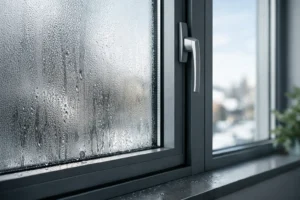
Poorly sealed gaps can allow draughts and water ingress. An unsupported or uneven sill can affect how the doors run. A frame installed out of level may cause panels to catch, uneven gaps or difficult locking. These problems are avoidable, but they illustrate why fitting should be treated as a specialist task rather than an afterthought.
Professional installers also set up the doors after glazing. They check that the panels fold smoothly, the traffic door locks securely, magnets and catches align, and the seals compress correctly. Top-of-the-range security hardware only works as intended when every element is correctly fitted and adjusted.
Building Regulations and certification
Bifold door work may need to meet Building Regulations requirements relating to thermal performance, safety glazing, ventilation and structural alterations. The precise route depends on the work being carried out. Replacing a door in an existing opening is different from installing bifolds into a new extension or creating a wider opening in a load-bearing wall.
With a fitted service, an appropriate installer can explain what applies to the work and how compliance will be handled. Where a competent person scheme is relevant, you may receive certification for eligible replacement work. For extensions, new openings and structural changes, your builder or project designer will usually coordinate Building Control approval.
On a supply-only project, responsibility for ensuring the installation complies rests with the homeowner and their chosen contractor. That is manageable when you have an experienced team, but it should be agreed before work begins. Do not leave questions about safety glass, insulation around the frame or approval for structural works until the doors are due to arrive.
When supply only is the right choice
Supply only can be an excellent decision when your project is already being led by a capable builder, architect or experienced installer. It allows you to select a premium aluminium system while keeping control of the installation programme and trade costs.
It also suits confident renovators who understand site coordination and have someone accountable for final measurements. For example, a contractor managing a full rear extension may prefer delivery once the opening is weather-tight, floors are established and access is clear. In that setting, supplying the bifolds directly can be efficient.
Before proceeding, confirm who will unload and store the doors safely, who checks the delivery on arrival, and who is liable if the specification is approved incorrectly. Bifold panels and glazed units are substantial, so safe access and dry, secure storage matter.
When fitted bifolds offer better value
Fitted bifolds are often the better choice for homeowners replacing patio doors, updating a conservatory or undertaking a smaller renovation without a main contractor. You get specialist input from the earliest decisions through to final adjustment, which reduces the number of moving parts for you to manage.
They are also a strong option when the finish matters as much as the opening itself. Slim aluminium frames, a flush or low threshold and carefully selected colour can give a room a crisp architectural look. Professional installation helps ensure those details are not compromised by uneven reveals, poor sealant lines or rushed finishing.
A fitted route can provide greater reassurance where access is tight, panels are large or the building is older and unlikely to offer perfectly straight openings. It is not about taking control away from you. It is about placing technical responsibility with people who fit these systems every day.
Questions to ask before you order
Whether you choose supply only or fitted, establish the practical details early. Ask who takes the final manufacturing measurements, who is responsible for the structural opening, and what happens if site dimensions differ from the approved order. Confirm the lead time from final sign-off rather than from your first enquiry.
You should also discuss the threshold in relation to indoor and outdoor floor levels, the opening configuration that best suits furniture and garden access, and whether safety glazing is needed in the chosen location. A three-panel arrangement may be ideal for one room, while a five-panel system with a traffic door is more practical for another.
Finally, compare like for like. Two quotations can look similar while including very different glass specifications, hardware, delivery arrangements and installation support. Bespoke bifolds should be selected on the complete package, not panel count alone.
Choose the route that suits your project team
The best decision comes down to capability and accountability. Supply only gives experienced project teams flexibility, while fitted bifolds give homeowners a clearer, more supported path to a bright, secure and well-finished living space. If you are unsure, start by defining who will measure, fit and certify the work – the right bifold solution usually becomes clear from there.