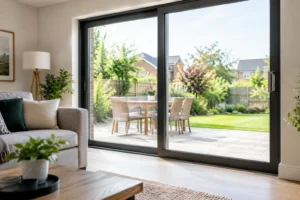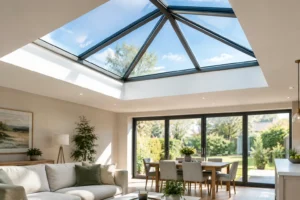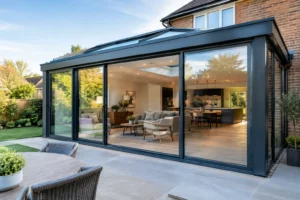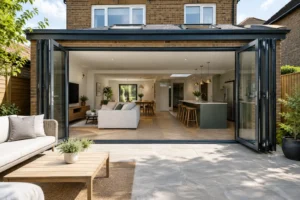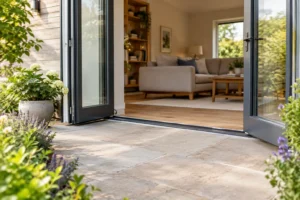
When every square metre matters, the wrong door can make a room feel tighter than it is. Aluminium patio doors for small spaces are popular for a simple reason – they let you keep the footprint of the room clear while bringing in more daylight, better garden access and a cleaner, more contemporary finish.
In smaller kitchens, rear extensions, dining areas and compact living rooms, door choice has a bigger effect than many homeowners expect. A bulky frame, a poor opening arrangement or a deep threshold can interrupt furniture layouts and make everyday use less comfortable. Get it right, and the room feels brighter, easier to move through and more connected to the outside.
Why aluminium works so well in compact rooms
Aluminium is particularly well suited to smaller openings because it combines strength with slim sightlines. That means you can have a larger glass area without the heavy visual bulk often associated with older patio door styles. More glass brings in more natural light, which is one of the quickest ways to make a compact room feel more open.
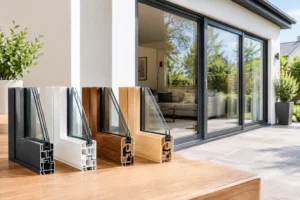
There is also a practical benefit. Aluminium frames are durable, low maintenance and resistant to warping, which matters in doors that are used daily and exposed to the weather. Modern systems include a thermal break and energy efficient glazing, so you are not choosing slim frames at the expense of thermal performance.
For homeowners upgrading an older set of doors, this can make a noticeable difference. The room often feels warmer, brighter and more usable all year round, especially in rear-facing spaces that need to work hard through winter as well as summer.
Choosing the right aluminium patio doors for small spaces
The best option depends on how the room is used, how wide the opening is and what sits near the doors. There is no single right answer. In a narrow kitchen diner, a sliding door may be the most efficient choice. In a small extension where opening the whole wall matters in summer, a bifold may still be the better fit.
Sliding doors when floor space is tight
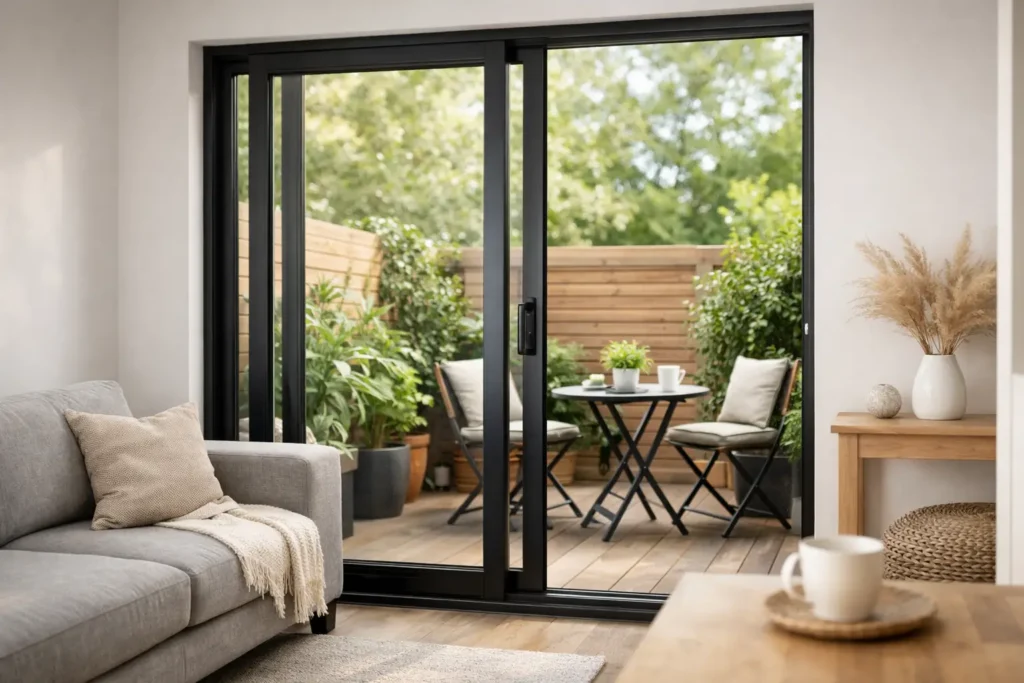
If your main concern is keeping the room layout simple, sliding patio doors are often the most practical choice. Because the panels move behind one another rather than folding in or swinging out, they do not take up internal floor area. That leaves more freedom for dining tables, kitchen islands or sofas placed close to the opening.
This is where slim aluminium systems stand out. Products such as the Smarts Visoglide Plus sliding door, Schuco ASE60 Sliding Door, Schuco ASE80 Sliding Door and Cortizo COR Vision Sliding Door are designed to maximise glass and minimise visual interruption. In a compact room, that matters. Slim frames help the outside feel closer, and that borrowed sense of space can change how the room feels on a day-to-day basis.
The trade-off is that sliding doors usually open partially rather than fully, because one panel sits behind another. If your priority is ventilation and easy access rather than a completely open aperture, that compromise is often well worth it.
Bifold doors when opening width matters most
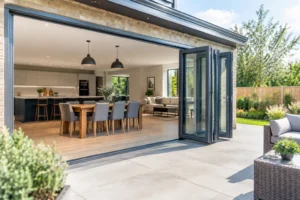
Bifold doors can still work very well in smaller spaces, provided the configuration is planned carefully. For homeowners who want to open up a kitchen or family room to the garden in warm weather, bifolds create a wider clear opening than most sliding systems.
The key is to avoid overcomplicating the layout. In a modest opening, fewer panels often look better and work better. A simple two or three panel arrangement can keep the stack neat and manageable. Systems such as Smarts Visofold 1000 Bifold Doors, Smarts Visofold 6000 Bifold Doors and Cortizo Bifold Plus can be configured to suit smaller residential openings without making the room feel dominated by the frame.
There are, however, practical considerations. When the panels are open, they need a place to stack. In a tight room, that needs to be accounted for early, especially if there is fixed furniture nearby or limited wall return.
Design details that make a small room feel bigger
In compact spaces, the finer details are not minor. They have a direct effect on how open and usable the room feels.
Frame sightlines are one of the biggest factors. Slim aluminium profiles create a cleaner edge to the glass and allow more daylight into the room. That is particularly valuable in side returns, smaller extensions and rooms with limited wall width.
Colour choice also plays a part. Neutral finishes such as anthracite grey, black and white remain popular because they suit contemporary homes and pair well with brick, render and modern kitchen finishes. Lighter internal frame colours can help keep the inside feeling airy, while darker external finishes can sharpen the overall appearance of the rear elevation.
Threshold choice is another detail worth careful thought. A low threshold can improve access to the garden and make the transition feel smoother, especially in family homes or where ease of movement matters. It also helps the inside and outside read as one continuous space. The right threshold must still suit the weather exposure and meet performance requirements, so this is an area where good advice matters.
Practical planning before you choose
Before deciding on a door style, it helps to look beyond the opening itself. Small spaces are less forgiving, so surrounding layout matters more.
Think about furniture first. A dining chair pulled back from a table, an island stool, or a sofa arm can all affect how comfortable the doors are to use. A door that looks fine on plan can become awkward if it interrupts circulation routes in daily life.
Then consider how often you want the doors fully open. If the doors will mainly be used for views and light, a sliding system may be the stronger option. If you host regularly in summer and want wide access to a patio, bifolds may justify the extra planning.
Ventilation matters too. In smaller kitchens and garden rooms, heat can build quickly on sunny days. The opening style should support how you want the room to feel, not just how you want it to look.
Security and efficiency should not be secondary
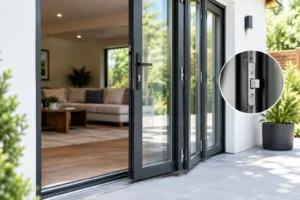
Smaller doors are not a reason to compromise on performance. Good aluminium patio doors should offer strong locking systems, durable hardware and dependable weather performance as standard.
This is particularly important at the rear of the property, where doors are a key access point. High quality aluminium systems combine multi-point locking, secure glazing and well-engineered frames to provide reassurance without adding visual heaviness.
Thermal efficiency is equally important. A modern aluminium system with a thermal break and quality glazing helps reduce heat loss and supports a more comfortable internal temperature. In compact rooms, poor thermal performance is often felt more quickly, because the space can cool down faster and feel less pleasant near the glass in colder months.
Bespoke options are often the difference between good and right
Off-the-shelf sizing can work in some situations, but many small spaces benefit from a made-to-measure approach. A bespoke door allows you to refine panel widths, opening direction, threshold detail, frame colour and hardware finish so the final result suits the room rather than forcing the room to adapt to the product.
That is especially useful in renovation projects, where openings are not always standard and existing floors, lintels or wall conditions may influence what is possible. A tailored specification can help avoid wasted space, awkward sightlines and compromises that become obvious once the doors are installed.
For homeowners balancing style, practicality and budget, this is often the most sensible route. It gives you more control over the details that actually affect day-to-day use.
When aluminium patio doors are the right investment
If your goal is to make a smaller room feel lighter, cleaner and better connected to the garden, aluminium is a strong long-term choice. It offers the slim aesthetic many homeowners want, but it also delivers where it matters most – durability, thermal efficiency, security and flexibility.
The right answer depends on the room. Some spaces call for a minimal sliding system such as the Cortizo COR Vision Plus Sliding Door. Others suit a compact bifold arrangement that opens more of the wall. What matters is choosing a configuration that respects the way the room is actually used.
That is where specialist guidance can save time and money. An experienced supplier or installer will look at the opening, the layout and the practical trade-offs rather than simply recommending a standard product. For homeowners planning a renovation or extension, that leads to a result that feels considered from the first day of use.
A smaller room does not need to settle for a smaller idea. With the right aluminium patio door, it can feel brighter, more open and far better to live in.