
A wide opening to the garden should feel like a pleasure, not a vulnerability. The best bifold security features are designed into the complete door set, combining a strong aluminium frame with secure locking, protected hinges, toughened glazing and accurate installation. When these elements work together, bifold doors can provide a highly secure boundary between your home and the outside.
For UK homeowners planning an extension, kitchen renovation or replacement patio doors, security deserves the same attention as sightlines, colour and thermal performance. Here is what to look for, and why a door’s specification matters more than one headline feature.
Bifold security features begin with the locking system
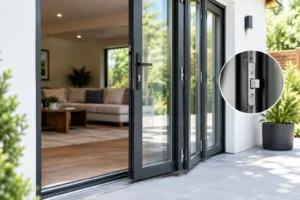
The lock is the point of contact you use every day, but it should secure far more than the lead door. A quality bifold system uses multi-point locking, engaging the door into the frame at several positions rather than relying on a single lock in the centre. This makes the door harder to force, spread or lever open.
On a typical configuration, the traffic door – the panel used as the main entrance – has a handle-operated multi-point lock. Depending on the system and layout, other panels are secured with shootbolts that locate into the head and sill of the outer frame. Once closed and locked, the folded panels become a connected, secured barrier rather than a series of loosely held leaves.
The cylinder should receive equal attention. A high-security cylinder can help resist common forms of attack, including snapping, drilling and picking. It is also worth asking whether the cylinder can be supplied with security keys and whether additional keys can only be obtained through controlled authorisation. These details are particularly valuable when keys have been shared with contractors, cleaners or previous occupants.
Locking arrangements vary with the number of panels, opening direction and whether a separate access door is required. The right answer is not always the most complex one. A three-panel kitchen opening has different practical needs from a five-panel room divider, so the lock layout should be specified around how the doors will actually be used.
Strong aluminium frames and protected hardware
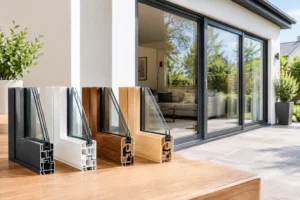
Aluminium is an excellent material for bifold doors because it combines strength with slim, contemporary frames. It resists warping and swelling in changing weather, helping the doors continue to align correctly over time. Correct alignment is a security issue as well as an operational one: locks and bolts need to engage fully with their keeps every time the doors are closed.
A well-engineered aluminium system uses substantial frame sections, reinforced locking areas and dedicated hardware. Systems such as Smarts Visofold 1000 Bifold Doors are designed as complete door systems, where the profiles, hinges, locks and weather seals are intended to work together. Choosing compatible, proven components is preferable to focusing on a frame alone and treating the hardware as an afterthought.
Hinges are another area homeowners do not always see once the doors are fitted. On an outward-opening arrangement, hinges may sit on the exterior side, so they need to be designed to prevent panels being lifted or removed. Security hinges, hinge bolts and anti-lift devices help keep the panel captured within the frame. The exact hardware depends on the door system and opening configuration, which is why professional advice at quotation stage is useful.
The rollers and running gear should also be durable enough to support the door weight without sagging. Smooth operation is not merely a convenience. Doors that drag, bind or need to be forced into position may not lock as intended, leaving security compromised even when the key has been turned.
Glass is a key part of a secure bifold door
Large areas of glass bring light, views and an impressive connection to the garden. They must also be specified for their location and safety requirements. Toughened safety glass is commonly used in doors because, if broken, it fragments into small pieces rather than dangerous shards. Laminated glass may be appropriate where an additional barrier is wanted, as its interlayer helps hold the pane together after impact.
The right glass specification depends on the door design, the location within the property and applicable Building Regulations. A specialist should confirm the glazing make-up for your project rather than making broad assumptions based on pane size alone.
Security is not only about the glass itself. Glass should be properly retained within the sash with suitable beads and gaskets, ideally positioned to prevent easy removal from the outside. A securely glazed panel is far more difficult to attack than one where the glass-retention method has been overlooked.
Do not confuse thicker glass with an automatically better door. Insulated glazing units need to meet thermal, safety and structural needs as a complete unit. For many homeowners, the best balance is an energy-efficient double or triple glazed specification, safety glass where required, and laminated glass where the risk assessment or preferred level of protection supports it.
Standards provide useful reassurance
When comparing quotations, ask which security standard the proposed bifold doors are designed or tested to meet. PAS 24 is a recognised UK security standard for doors and windows, while Secured by Design is a police-backed initiative that sets requirements for products used in suitable developments. These credentials can offer useful reassurance, especially for new builds, major refurbishments or projects with specific planning and insurance requirements.
However, certification should be considered carefully. It may apply to a particular system, configuration, glazing option or hardware package rather than every possible version of a product. Ask for clarity on the exact door you are buying: its panel arrangement, lock type, threshold, glass and hardware. A clear specification is more useful than a vague claim that a door is ‘secure’.
Building Regulations also affect the finished installation, including safety glazing, access and ventilation requirements where relevant. A competent supplier and installer can explain which requirements apply to your home and ensure the product is specified accordingly.
Installation makes every security feature count
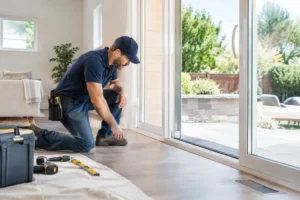
Even premium hardware cannot compensate for a poorly installed frame. The outer frame needs to be fixed securely to a sound opening, packed and levelled correctly, and adjusted so every panel runs freely and closes square. The locks, keeps and shootbolts must line up precisely.
This is particularly significant in extensions, where the new opening may include steelwork, differing wall finishes or a very low threshold. Surveying the aperture properly before manufacture helps avoid compromises on site. It also ensures that the finished threshold delivers the appropriate balance of weather performance, access and security.
For homeowners choosing a supply-only route, confirm who will measure, fit and make final adjustments. Use an experienced installer who understands the selected aluminium system, not simply a general contractor fitting an unfamiliar product for the first time. For a full installation service, ensure the quotation explains the scope of work, making it easier to see who is responsible for the finished performance of the doors.
Everyday checks that keep your doors secure
Bifold doors are straightforward to live with, but a little care preserves their performance. Keep tracks clear of grit, leaves and debris, particularly after gardening or windy weather. Clean and inspect handles, cylinders and visible hardware as part of normal home maintenance, and follow the manufacturer’s guidance for any moving parts.
Before leaving the house or going to bed, make sure each panel is folded back into its closed position, flush with the frame, before operating the handle and key. A panel that appears shut but has not fully engaged is not secure.
Four simple checks are worth making from time to time:
- The handle lifts or turns cleanly and the key locks without force.
- Top and bottom bolts engage fully into their receivers.
- Panels are not catching, dropping or leaving uneven gaps.
- The exterior glass, seals and hardware show no signs of damage or tampering.
If the door becomes difficult to lock, do not keep forcing the handle. Early adjustment is usually simpler and safer than waiting for wear to affect the lock or alignment.
Choosing security without compromising your home design
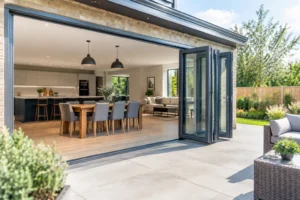
Security should not mean accepting bulky frames or losing the bright, open character that made bifolds appealing in the first place. A well-specified aluminium door can combine slim sightlines, a colour chosen to suit your property, efficient glazing and dependable locking hardware. The key is to assess the complete design rather than choosing on price, glass area or a single lock feature alone.
When requesting a quote, describe how you intend to use the opening and ask direct questions about the locking points, cylinder, glazing, hinge protection, standard compliance and installation. Smarts Bifold Doors can help homeowners match those choices to a bespoke layout, whether the priority is everyday garden access, a wide entertaining space or additional reassurance at a rear elevation. The most reassuring bifold door is one that looks effortless in use because every security detail has been specified properly from the start.